
 0
0
 0
0
Staying Safe When Cold Becomes a Serious Health Risk
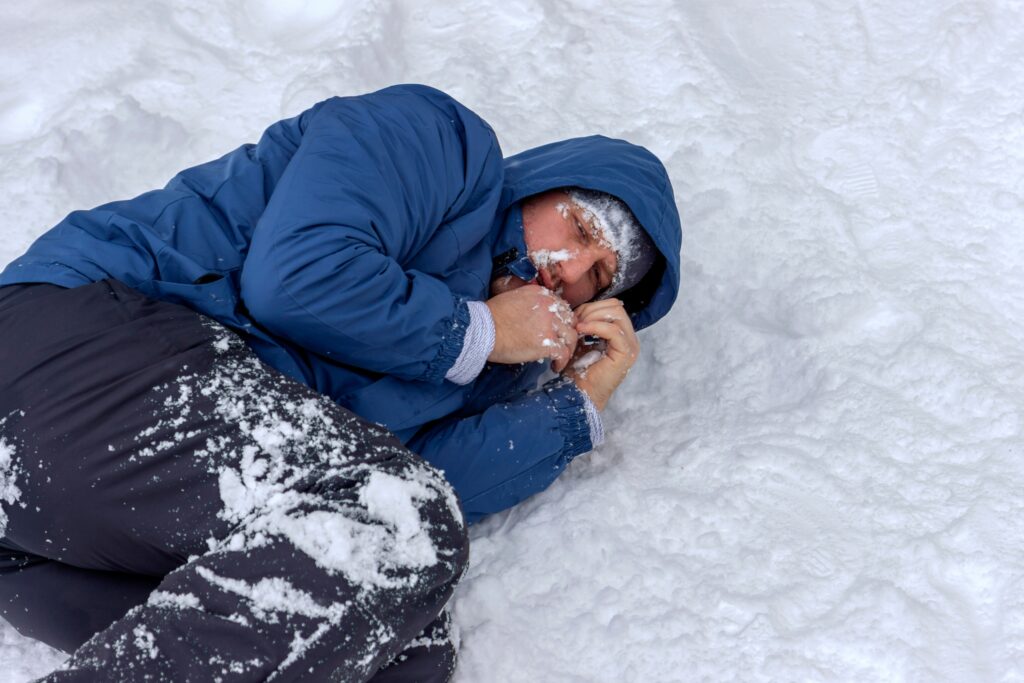
Hypothermia is often associated with extreme outdoor expeditions, but it can affect anyone exposed to cold temperatures for extended periods. It occurs when the body loses heat faster than it can produce it, causing core temperature to drop to dangerous levels. Cold, wind, rain, and fatigue significantly increase risk, particularly during extreme weather conditions or prolonged exposure without adequate protection.
Many cases of hypothermia develop gradually, making early symptoms easy to overlook. Shivering, confusion, fatigue, and slowed movement are warning signs that the body is struggling to regulate heat. Without timely intervention, hypothermia can become life-threatening.
This article explains how hypothermia develops and outlines practical, preventative measures that reduce risk during cold exposure. By understanding environmental factors, proper clothing choices, hydration, nutrition, and situational awareness, individuals can protect themselves and others. Prevention relies not on fear, but on preparation, awareness, and thoughtful decision-making in cold environments.
Understanding How Hypothermia Develops
Hypothermia occurs when the body’s core temperature falls below its normal range, disrupting essential physiological functions. Cold environments accelerate heat loss through wind, moisture, and direct contact with cold surfaces. Even moderate temperatures can become dangerous when exposure is prolonged.
Wind chill plays a critical role. Moving air strips heat from exposed skin, increasing heat loss even when temperatures appear manageable. Wet conditions worsen this effect by conducting heat away from the body faster than dry air. Rain, snow, or sweat significantly heighten risk.
Physical exhaustion also contributes. As energy reserves decline, the body produces less heat. Alcohol further increases vulnerability by dilating blood vessels, causing faster heat loss while impairing judgment.
Understanding these mechanisms supports effective cold weather health prevention practices. Recognizing that hypothermia develops through multiple combined factors encourages proactive planning rather than reactive responses.
Dressing Strategically to Retain Body Heat
Clothing is the first and most effective defense against hypothermia. Effective layering traps warm air while allowing moisture to escape. The base layer should wick sweat away from the skin to prevent dampness, which accelerates heat loss.
Insulating layers provide warmth by retaining body heat. Materials such as fleece or wool maintain insulation even when slightly damp. The outer layer should protect against wind and moisture, sealing warmth inside while shielding from environmental exposure.
Covering extremities is essential. A significant amount of heat is lost through the head, hands, and feet. Insulated hats, gloves, and waterproof footwear help maintain core temperature.
Clothing choices should be adjusted based on activity level. Overdressing during exertion leads to sweating, increasing risk once movement slows. Balanced layering allows adaptability as conditions change, reinforcing protection during prolonged exposure.
Maintaining Energy, Hydration, and Circulation
The body relies on energy and hydration to produce heat. Dehydration reduces circulation efficiency, impairing the body’s ability to distribute warmth. Drinking fluids regularly, even when not thirsty, supports temperature regulation.
Nutrition plays a similar role. Consuming calories—particularly carbohydrates and fats—provides fuel for heat production. Warm meals and drinks contribute both energy and comfort, helping maintain morale and alertness.
Movement promotes circulation. Gentle activity, such as walking or stretching, generates heat without causing exhaustion. However, excessive exertion should be avoided to prevent sweating.
These foundational practices align with principles often highlighted in KP Journal health insights, where balanced habits and awareness support resilience. Maintaining energy and hydration strengthens the body’s natural defenses against cold stress.
Recognizing Early Warning Signs and Acting Quickly
Early recognition is critical in preventing hypothermia progression. Initial symptoms include shivering, numbness, clumsiness, and slowed speech. Mental changes such as confusion or irritability signal that core temperature is dropping.
Immediate action involves reducing exposure. Seeking shelter, adding insulation, and removing wet clothing prevent further heat loss. Warm, dry coverings help restore temperature gradually.
In group settings, monitoring others is essential. Individuals experiencing hypothermia may underestimate their condition. Clear communication and shared responsibility improve safety.
Understanding warning signs empowers individuals to intervene early, preventing escalation and reducing the need for emergency response.
Preparing for Extreme Weather and Prolonged Exposure
Preparation significantly reduces hypothermia risk during extreme conditions. Weather forecasts, route planning, and emergency supplies create safety margins. Insulated blankets, spare clothing, and high-energy snacks provide critical support if exposure extends unexpectedly.
Technology can assist preparation, but reliance on devices alone is insufficient. Batteries drain faster in cold environments, making backup plans essential.
Training and experience matter. Familiarity with cold-weather protocols improves decision-making under stress. Even everyday activities, such as commuting during winter storms, benefit from preparedness.
When cold exposure is approached thoughtfully, prevention becomes routine rather than reactive. Awareness transforms cold environments from threats into manageable conditions.
Conclusion
Preventing hypothermia during prolonged cold exposure requires awareness, preparation, and practical decision-making. Understanding how the body loses heat, choosing appropriate clothing, maintaining energy and hydration, and recognizing early warning signs all contribute to safety. These cold weather health prevention practices emphasize prevention over response, reducing risk before danger escalates. When combined with thoughtful habits and perspectives reflected in KP Journal health insights, individuals gain confidence navigating cold environments. Hypothermia prevention is not about avoiding cold entirely, but about respecting it—responding with preparation, balance, and informed awareness that protects health and well-being in challenging conditions.


