
 0
0
 0
0
Electrical faults have a way of escalating quietly. A socket that runs a little warm, a breaker that trips now and then, a faint smell you cannot quite place, none of it seems urgent until, suddenly, it is. Unlike a leak you can see or a lock you can test, electrical danger is often hidden inside walls and consumer units, which is exactly what makes a genuine emergency so alarming when it finally surfaces. For homes and businesses in Bromsgrove, knowing how to recognise these moments, respond safely, and call the right professional quickly can be the difference between a contained fault and a fire. This guide sets out what to watch for and what to do when electrical problems turn serious.
Spotting a True Electrical Emergency
The hardest part of an electrical emergency is often simply recognising it as one. Some signs are dramatic and unmistakable: visible sparks, a burning smell, scorch marks around outlets, or smoke. Others are quieter but no less serious, such as breakers that trip repeatedly and will not reset, switches or sockets that feel hot to the touch, a buzzing sound from the consumer unit, or a mild tingle when touching an appliance.
Context shapes the urgency too. A total power loss is a serious matter in a home relying on medical equipment or a business depending on refrigeration or security systems, even when it might be a mere nuisance elsewhere. Any situation that points toward fire risk, the possibility of electric shock, or the failure of something essential should be treated as an emergency rather than something to monitor and hope improves.
Staying Safe in the Moment
When an electrical fault turns dangerous, your own safety comes before any attempt to investigate. If it is safe to do so, switching off the supply at the consumer unit, either the affected circuit or the main switch, removes the immediate hazard and often stops the situation worsening. Never touch anything that is sparking, smoking, or wet, and keep well clear of any area where water has met electricity.
Beyond isolating the supply, the safest course is restraint. Electrical work is not the place for improvised fixes, and attempting a repair without the right knowledge and equipment can turn a hazard into an injury. Making the area safe and then waiting for a qualified professional is almost always the wisest response, however frustrating the delay may feel.
What an Emergency Electrician Does on Arrival
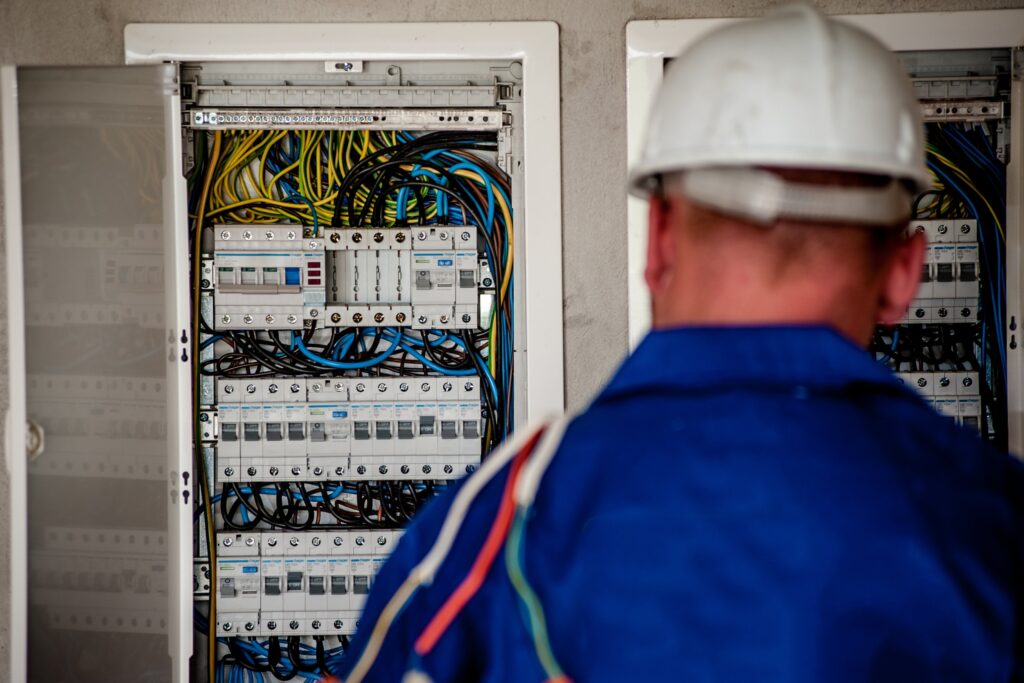
A professional emergency electrician follows a clear, methodical process. They begin by making the situation safe, isolating circuits as needed, then use test equipment and experience to trace the fault to its genuine source rather than guessing at the symptom. Once the cause is understood, they explain it plainly and either carry out a lasting repair or stabilise the installation safely until more involved work can follow.
Engaging a local specialist makes that response faster and more reliable. A trusted emergency electrician in Bromsgrove with genuine round-the-clock availability can reach you promptly, arrive properly equipped for the situation, and stand behind the work. Crucially, a good professional is honest about when a problem can be fully fixed on the spot and when safety requires a temporary measure followed by a planned return.
Why a Fast Response Protects You
With electrical faults, time is rarely on your side. A connection that arcs gently today can overheat and ignite nearby material within hours, and degrading insulation only continues to break down. A prompt response interrupts that escalation before a manageable fault becomes a fire or an injury, which is why genuine 24-hour availability is so valuable rather than a mere convenience.
There is a financial dimension as well. Acting quickly often limits the damage to appliances, wiring, and the property itself, sparing the far greater cost of a major repair or rewire that a swift intervention could have avoided. Fast, qualified help tends to be the economical choice, not the expensive one.
Why Qualifications Are Non-Negotiable
Electrical work carries real risk, and in an emergency the temptation to call whoever answers first is strong. Yet the choice of who handles a dangerous fault matters enormously. Look for an electrician registered with a recognised competent person scheme, which confirms their work is independently assessed against the wiring regulations, along with appropriate insurance and the ability to certify the work they carry out.
Cutting corners here can be genuinely dangerous. Unqualified work may appear to resolve a fault while leaving a hidden hazard in place, and it can complicate insurance or a future property sale. A properly qualified professional gives you not only a safe repair but the assurance and documentation that it was done correctly.
Reducing the Chance of an Emergency
Many electrical emergencies can be headed off with a little foresight. Periodic inspection by a qualified electrician, including an Electrical Installation Condition Report, identifies deteriorating wiring, overloaded circuits, and ageing components before they fail. Simple habits help too: not overloading sockets, avoiding chains of extension leads, replacing damaged cables promptly, and treating any recurring trip or flicker as a prompt to investigate.
Modern protective devices provide an essential safety net. Residual current devices cut the supply within milliseconds of detecting a fault to earth, dramatically reducing the risk of shock. Ensuring an installation includes appropriate protection, and that it is tested rather than assumed to function, is among the most effective steps any property owner can take to stay safe.
Final Thoughts
Electrical emergencies are unsettling precisely because the danger is so often hidden until the last moment. The reassurance lies in knowing how to recognise the warning signs, how to make a situation safe, and why calling a qualified professional quickly protects both people and property. Pair that awareness with regular inspection and a trusted electrician on call, and an event that might once have felt like a crisis becomes a problem with a clear, confident route to resolution.


