
 0
0
 0
0
Why Townhouses Continue to Attract Long-Term Buyers
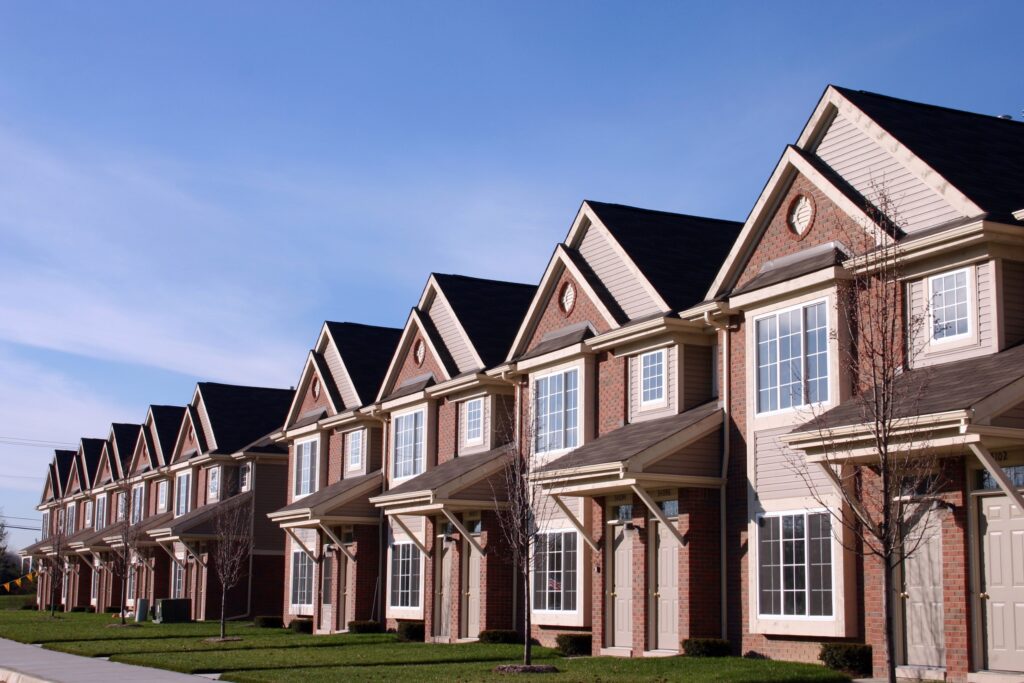
Townhouses have become an increasingly popular choice for both homeowners and property investors seeking balance between affordability, convenience, and long-term value. Positioned between single-family homes and condominiums, townhouses offer unique advantages that appeal to a wide range of buyers. Their structured layouts, shared maintenance responsibilities, and often strategic locations make them attractive in growing urban and suburban markets.
For long-term living, townhouses provide a sense of ownership without the full maintenance burden of detached homes. For investors, they offer steady rental demand and manageable operating costs. However, purchasing a townhouse requires careful evaluation beyond price and location alone.
This article outlines essential factors to consider before buying a townhouse for long-term residence or investment. By understanding ownership structures, financial responsibilities, market trends, and lifestyle implications, buyers can make informed decisions that align with their goals while minimizing unexpected risks.
Understanding Townhouse Ownership Structures
Townhouse ownership varies depending on development design and local regulations. In most cases, buyers own both the interior and exterior of the unit, while common areas are shared with neighboring properties. However, responsibilities differ significantly between developments, making clarity essential before purchase.
Homeowners’ associations often govern townhouse communities. HOAs manage shared spaces, enforce rules, and collect fees. While these associations provide structure and maintenance, they also impose regulations that affect property use. Buyers should review governing documents carefully to understand restrictions on renovations, rentals, and exterior changes.
Fee structures deserve close attention. Monthly or annual HOA fees cover services such as landscaping, exterior repairs, and shared amenities. Understanding what is included—and what is not—helps prevent financial surprises.
These ownership dynamics are central to townhouse property investment considerations, influencing both cost predictability and long-term satisfaction.
Evaluating Location and Neighborhood Stability
Location remains one of the most important factors in property decisions. Townhouses are often situated near city centers, transportation hubs, or developing suburban corridors. These locations appeal to buyers and renters seeking accessibility and convenience.
Neighborhood stability influences long-term value. Areas with consistent infrastructure investment, employment opportunities, and population growth tend to support appreciation. Proximity to schools, healthcare, retail, and public transit further strengthens demand.
Noise, density, and community culture should also be assessed. Townhouses share walls, making sound insulation and neighbor behavior relevant considerations. Visiting the area at different times provides insight into daily living conditions.
Evaluating location holistically ensures alignment with both lifestyle preferences and investment objectives.
Financial Considerations Beyond the Purchase Price
Townhouse affordability extends beyond listing price. Buyers must consider property taxes, HOA fees, insurance, and maintenance costs when evaluating total ownership expenses. While shared maintenance reduces individual responsibility, it does not eliminate costs entirely.
Financing options may differ slightly from detached homes, particularly in developments with high investor concentration. Lenders often assess HOA financial health and occupancy ratios before approval. Reviewing association budgets and reserve funds helps gauge long-term stability.
For investors, rental income potential should be balanced against ongoing expenses. Realistic cash-flow projections account for vacancies, maintenance, and management costs. Conservative estimates support sustainable returns rather than speculative assumptions.
Sound financial planning supports resilience, aligning ownership decisions with long-term objectives rather than short-term affordability alone.
Lifestyle Implications for Long-Term Residents
Living in a townhouse offers a distinct lifestyle. Reduced yard maintenance and shared responsibilities appeal to busy professionals and downsizers. Community design often fosters interaction while maintaining privacy.
However, shared walls and proximity require adaptability. Noise considerations, pet policies, and parking arrangements affect daily comfort. Buyers should assess personal tolerance for communal living before committing.
Amenities such as shared green spaces, gyms, or recreational areas enhance lifestyle value but may also influence fees. Evaluating whether amenities align with actual use prevents paying for unused features.
Lifestyle compatibility ensures that a townhouse remains a comfortable long-term residence rather than a compromise.
Assessing Long-Term Investment Potential
From an investment perspective, townhouses often attract stable tenants seeking residential environments without detached home costs. Rental demand remains strong in areas with limited housing supply and rising urbanization.
Appreciation potential depends on market trends, development quality, and association management. Well-maintained communities retain value more effectively than neglected ones. Investors should monitor local zoning changes, supply pipelines, and demographic shifts.
Exit strategy matters. Townhouses typically appeal to a broad resale market, supporting liquidity. However, excessive HOA restrictions or fee increases may deter future buyers.
Insights such as those shared in KP Journal property perspective emphasize evaluating property investments through long-term sustainability rather than speculation.
Conclusion
Buying a townhouse for long-term living or investment requires thoughtful evaluation of ownership structure, financial commitments, location stability, and lifestyle fit. While townhouses offer compelling advantages—including affordability, convenience, and steady demand—they also carry responsibilities that differ from other property types. Understanding townhouse property investment considerations allows buyers to anticipate challenges and align expectations with reality. When decisions are guided by clarity and long-term perspective, as reflected in KP Journal property perspective, townhouses can provide both comfortable living environments and reliable investment opportunities. A well-informed approach ensures that ownership remains a strategic choice rather than an unexpected burden.


