
 0
0
 0
0
A Genre Once Declared Stagnant Is Finding New Life
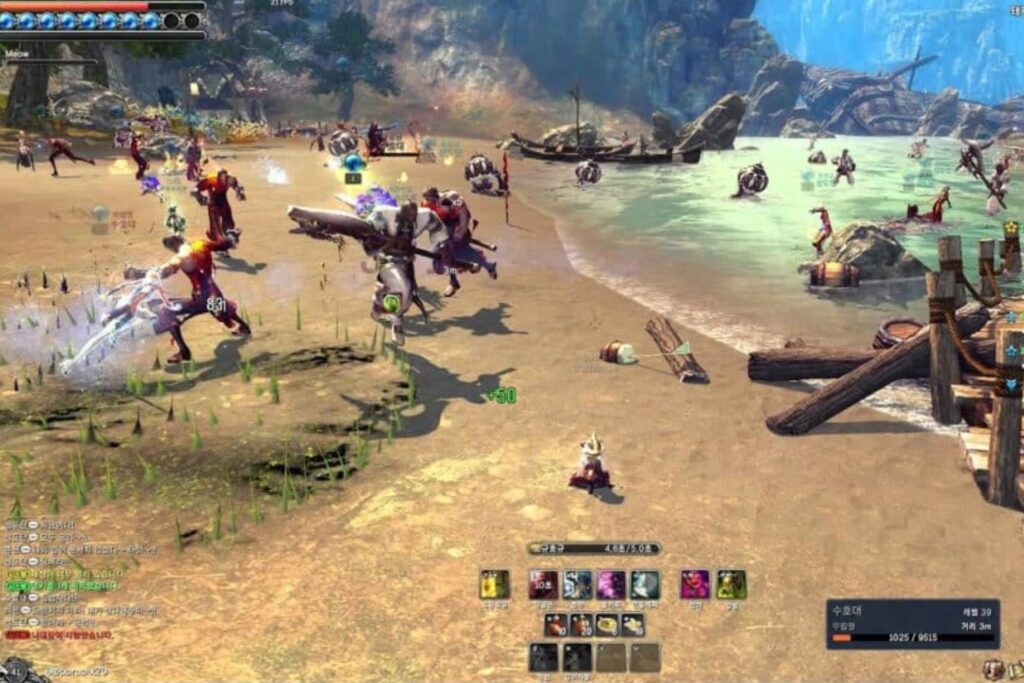
Massively multiplayer online role-playing games, commonly known as MMORPGs, have experienced several cycles of popularity since their emergence. Once considered the defining genre of online gaming, MMORPGs faced criticism in recent years for repetitive mechanics, declining innovation, and fragmented communities. However, recent developments suggest the genre is entering a new phase of evolution.
Advances in technology, changing player expectations, and renewed interest in shared digital worlds have reshaped how MMORPGs are designed and experienced. Developers are no longer focused solely on scale, but on meaningful interaction, accessibility, and long-term engagement. Players, in turn, are seeking experiences that feel alive rather than grind-heavy or transactional.
This article explores why MMORPGs are evolving again and what players can realistically expect in 2026. By examining design shifts, community dynamics, monetization changes, and technological innovation, it becomes clear that the genre is adapting to modern gaming culture rather than disappearing from it.
A Shift From Endless Grinding to Meaningful Progression
One of the most significant changes in modern MMORPGs is the move away from excessive grinding. Traditional systems often required players to repeat tasks for incremental rewards, leading to fatigue and disengagement. Today’s players expect progression that feels purposeful and respectful of their time.
Modern designs emphasize flexible advancement paths. Instead of rigid leveling systems, players encounter skill-based progression, narrative-driven growth, and account-wide achievements. This allows casual and dedicated players to coexist without one group feeling excluded.
Story integration also plays a larger role. Quests are no longer filler content but narrative experiences that influence character development and world evolution. These changes reflect modern MMORPG gaming trends that prioritize engagement over endurance, creating experiences players want to return to rather than endure.
By rewarding intention instead of repetition, MMORPGs are redefining progression for a broader audience.
Reimagining Social Interaction and Community Design
Community has always been central to MMORPGs, but modern implementations are evolving beyond static guild systems. Developers now design social features that encourage organic interaction rather than forced cooperation.
Shared events, dynamic world changes, and cross-server activities foster larger, more inclusive communities. Players are no longer isolated by server boundaries, allowing friendships and rivalries to form naturally across regions.
Communication tools have also improved. Integrated voice chat, social hubs, and player-driven economies strengthen immersion while reducing reliance on external platforms. These features help maintain a sense of presence and belonging within the game world.
This renewed focus on community aligns with broader digital culture shifts often examined through KP Journal digital culture insight, where shared experiences and connection drive engagement across platforms.
Monetization Models That Respect Player Experience
Monetization has long been a contentious issue in MMORPGs. Pay-to-win mechanics and aggressive microtransactions alienated players and eroded trust. In response, developers are rethinking how revenue is generated.
Subscription models are being refined rather than abandoned. Hybrid systems offer optional subscriptions that enhance convenience without granting unfair advantages. Cosmetic-only microtransactions allow personalization without compromising balance.
Transparency is becoming a priority. Players increasingly reward games that clearly communicate pricing and avoid exploitative mechanics. Ethical monetization supports long-term engagement rather than short-term profit.
As these models mature, players can expect MMORPGs in 2026 to feel less transactional and more immersive, reinforcing trust between developers and communities.
Technology Enabling Larger, More Responsive Worlds
Advancements in cloud computing, server architecture, and artificial intelligence are transforming how MMORPG worlds function. Modern infrastructure supports larger populations with fewer performance issues, allowing worlds to feel more alive.
Dynamic environments respond to player actions in real time. Weather systems, evolving economies, and world events create variability that keeps experiences fresh. AI-driven NPCs exhibit more realistic behavior, enhancing immersion.
Cross-platform compatibility is also expanding. Players can access worlds across devices without fragmenting communities. This accessibility broadens the audience while preserving continuity.
Technology no longer exists just to support scale; it enables depth, responsiveness, and adaptability within shared digital spaces.
Player Agency and Customization Taking Center Stage
Modern MMORPGs increasingly emphasize player choice. Character customization extends beyond appearance into skill development, narrative decisions, and playstyle expression. Players shape their experience rather than conforming to rigid roles.
Sandbox elements blend with structured content, offering freedom without chaos. Player-driven economies, crafting systems, and territory control give individuals meaningful influence over the world.
Accessibility options further expand participation. Adjustable difficulty, interface customization, and inclusive design ensure more players can engage comfortably.
This focus on agency reflects evolving expectations across gaming genres, positioning MMORPGs as flexible platforms rather than static experiences.
Conclusion
MMORPGs are evolving again because both developers and players have learned from the genre’s past limitations. By shifting away from excessive grinding, reimagining social interaction, refining monetization, and leveraging modern technology, the genre is adapting to contemporary expectations. These modern MMORPG gaming trends point toward experiences that prioritize meaning, community, and player agency. When viewed through the lens of broader digital culture and insights reflected in KP Journal digital culture insight, it becomes clear that MMORPGs are not returning to old formulas—they are redefining themselves. As 2026 approaches, players can expect worlds that feel more responsive, inclusive, and engaging, signaling a renewed future for one of gaming’s most influential genres.


